
Owner operators · Hotshot rigs · Small fleets
Hotshot Trucking Insurance in Texas
Insurance for Texas hotshot operators hauling customer freight with a pickup and trailer. Review your truck, trailer, cargo and operating agreement together.
- Truck & trailer
- Freight
- Authority
Start with how you run
A pickup or dually with a gooseneck or flatbed trailer can work under different arrangements. Start with who owns the freight and whose authority you use.
Key coverages for a hotshot operation
A quote should make clear what protects the truck, what addresses the freight, and which liability applies to the work.
Commercial auto liability and filings
Review liability for covered injuries or property damage caused by the truck. Required limits and insurance filings depend on your operation, authority and applicable rules, alongside customer requirements.
Motor truck cargo
Describe what is on the trailer, its typical and maximum value, and who loads and unloads it. Review the covered commodities, exclusions, deductibles and any restrictions affecting theft or unattended loads.
Truck and trailer physical damage
Review damage to the equipment you own or finance. List each truck and trailer, its value, lender and desired deductible. Cargo insurance serves a different purpose from insuring the rig itself.
Non-trucking liability
For some leased-on arrangements, this addresses covered liability during personal, non-business use. An empty trailer or a trip off dispatch does not by itself establish that the use is non-business.
Non-owned trailers
If you pull someone else’s trailer, send the agreement and trailer values. Review trailer interchange or other non-owned trailer physical damage options against how you actually use the equipment.
General liability and employees
Discuss yard, premises and other business activities alongside auto liability. If you employ drivers or helpers, also review work-related injury coverage and payroll.
Oilfield equipment, machinery, vehicles and other freight can raise different cargo questions. Give us the commodities you carry, rather than describing every load as general freight.
Authority, leases and load requirements
Check these details before requesting filings or certificates.
Where will you run?
Identify Texas-only and interstate work. Match the legal business name and address across your authority application and filing records. Registration rules depend on the operation.
What do brokers and shippers request?
Share required limits, cargo terms and certificate instructions. A certificate is evidence of insurance; it does not add coverage or replace a required state or federal filing.
What does the lease say?
Describe dispatch, loading, deadhead trips and personal use. Match those uses to the lease and the coverages each party provides, including primary liability and cargo.
What helps us quote hotshot insurance
Send these details with your authority information or lease.
What affects hotshot trucking insurance cost?
Driver experience and history, time in business, truck and trailer values, cargo, travel radius, mileage and claims history all matter. Limits, deductibles and whether you operate under your own authority or a carrier’s lease also affect the quote. Compare proposals using the same operation details.
- Use the same drivers, commodities and travel radius, including oilfield loads or other specialized freight.
- Compare liability and cargo limits, deductibles, and the insured values of both the truck and trailer.
- Review the total premium, amount due at binding, remaining payments and any financing charges. A lower down payment does not necessarily mean a lower total cost.
- Truck and trailer
VINs, year, make, model, weight ratings, values and financing details.
- Drivers
Driver information, experience, licensing and any other people who drive the rig.
- Freight and values
Commodities, maximum load value, loading arrangements and customer requirements.
- Routes and mileage
States traveled, operating radius, annual mileage and overnight parking.
- Authority or lease
Authority details and filing requirements, or the lease and carrier requirements.
- Business and loss history
Business start date, receipts, current policies and recent loss information.
Do non-CDL hotshot operators still need insurance?
Not needing a CDL for a particular truck and trailer combination does not settle the insurance question. Vehicle ratings, use, freight, travel and authority all matter. Review the insurance and registration requirements for your operation separately from driver licensing.
Is bobtail or deadhead coverage the same as non-trucking liability?
No. Bobtail generally describes driving a tractor without a trailer; deadheading describes traveling without a load. Those terms describe the trip or equipment. Non-trucking liability depends on non-business use under the policy, so an empty return trip after a delivery is not automatically covered by it.
What should I send if I am starting under new authority?
Tell us whether you are applying for your own authority or leasing on to a carrier. Send any assigned DOT or MC number, your planned start date, driving experience, truck and trailer details, commodities, travel radius and customer requirements. Those details let us review the operation and ask insurers about available options.
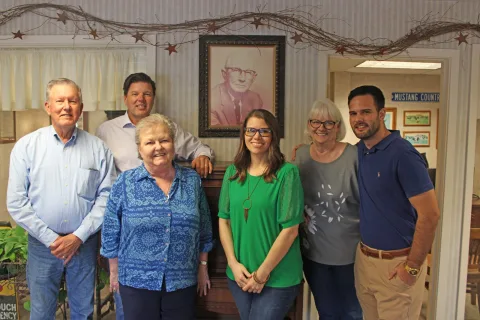
Talk through your hotshot operation with our Texas team
Bring your equipment details, typical loads and lease or authority information. Stover & Crouch is an independent Texas agency, established in 1920. We will help you review available insurance options before you decide.
Meet our teamA website request does not bind, change, cancel, reinstate, or confirm coverage.