
Roofing Contractor Insurance in Texas
Your insurance needs to match the roofs you work on and the way you do the job. From residential repairs to commercial replacements, we help you review coverage for your work, your crew and the contracts you take on.
Independent insurance guidance from our Texas team.
Compare coverage before the price
| Review | What to compare |
|---|---|
| Accepted roofing work | Check residential and commercial jobs, roof height, materials, heat methods and repair versus replacement work. |
| Policy restrictions | Review open-roof damage, subcontracted work, completed operations and any project or location restrictions. |
| Contract requirements | Compare limits and the actual endorsements requested by your customer, not only a sample certificate. |
| Your share of a claim | Review deductibles, any self-insured retention and how defense costs affect the available limits. |
What insurance does a roofing contractor need?
Start with general liability for certain injury and property damage claims, then review workers compensation, commercial auto and tools coverage. A policy for home repairs may not accept commercial roofing, steep slopes or every installation method.
Bring contract requirements for limits, additional insured protection, completed operations and waivers before work starts. A certificate shows existing insurance; it cannot add coverage. Requested endorsements must be available and approved.
Review height restrictions, open-roof water damage, heat work and subcontractors. Meeting a contract's limits alone does not establish that your jobs are covered.
Coverage depends on the policy, its exclusions and the roofing operations accepted by the insurer.
Repairs, replacements and occupied homes
Describe repairs, tear-offs, replacements and new construction, including materials, heights and occupied buildings. Mention gutter, siding or other services sold with the job.
Larger buildings and more detailed contracts
Describe building uses, roof systems, torch or kettle work, and weather protection. List subcontracted operations separately, even when the subcontractor has insurance.
Coverage questions for the whole roofing job
Review work before, during and after installation. These examples identify coverage questions, not promises that every loss is covered.
General liability and completed operations
Falling materials or a finished roof leak can damage customer property. Review General liability and completed operations against the cause and timing. Repairing faulty work differs from resulting damage to other property.
Open roofs and heat work
Ask about rain entering an unfinished roof and fire from hot work. Describe weather protection, daily closing procedures and installation methods; a roofing classification alone does not establish coverage.
Crews and subcontractors
Review workers compensation for employee injuries and the insurer's subcontractor requirements. Share payroll, duties and subcontracted work. A subcontractor's certificate does not automatically remove your responsibility or establish coverage.
Trucks and trailers
Review commercial auto insurance for company vehicles, drivers and trailers, plus personal vehicles used for business. Explain material deliveries; vehicle liability and protection for tools in the truck are separate questions.
Tools and rented equipment
Ask about contractors equipment or inland marine coverage for nailers, compressors, ladders and rentals. Review vehicle theft conditions and off-premises limits for equipment left at job sites. Rental agreements may require additional protection.
Higher liability limits
An umbrella or excess policy may meet higher contract limits, subject to underwriting. Check which policies it sits over and whether roofing restrictions still apply.
Terms that matter in a roofing quote
These words can affect how a contract and policy fit together.
Completed operations
Liability protection for certain injury or damage claims arising after work is finished, subject to the policy. It is not a warranty that pays to correct every installation problem.
Additional insured
A person or business given specified protection by your policy. Check the endorsement, including whether it addresses ongoing work, completed operations or both.
Exclusion
A provision that removes or restricts coverage. Roofing methods, building types, heights and water damage may need specific review.
Premium audit
An insurer's review of actual sales, payroll or other rating information against the estimate used to price the policy. The final premium can change.
How much does roofing insurance cost in Texas?
Roofing insurance is priced around your operations, sales, payroll, subcontracted work, claims history and chosen limits. Roof height, residential versus commercial work, installation methods and years in business can also affect the options available.
Use accurate estimates and explain changes from the prior year. Compare the work each quote permits before comparing the price. A lower premium does not help if a restriction rules out the work your crew regularly performs.
What to have ready for a roofing quote
Start with what you have. Do not send private customer or employee records with your quote request. Call our office before sharing policy or claims documents.
- 01Your roofing work
job types, roof materials, heights and any heat applications
- 02Your crew
employees, subcontractors and rough sales or payroll estimates
- 03Your timing
current renewal date and any customer insurance requirements
More details, if you have them
- Business details: legal name, years in business and current policy renewal date
- Roofing work: repair, replacement and new construction, with residential and commercial shares
- Methods and heights: roof materials, maximum working height and any heat applications
- Business estimates: annual sales, payroll and subcontractor costs
- People: employees, owners doing field work and subcontractor arrangements
- Vehicles and equipment: drivers, trucks, trailers and tools you own or rent
- Contracts: insurance requirements, additional insured requests and sample job agreements
- Claims history: prior losses, open claims and changes made afterward
A Texas agency you can call
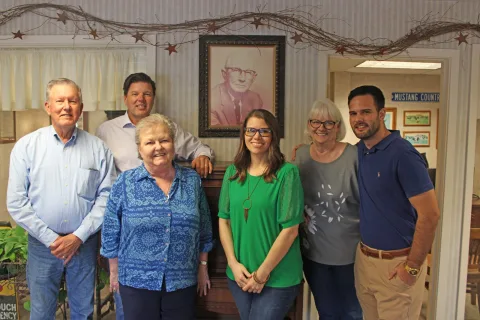
Stover & Crouch is an independent agency in Madisonville serving businesses across Texas. We help compare available options and support you with policy questions, certificates, renewals and claim reporting. Insurers decide which operations they accept. Call before changing your services, staff, equipment or locations.
Common questions from Texas roofers
Are subcontractors covered under my roofing policy?
Do not assume so. Share subcontractor agreements and certificates so the insurer can review the work and any insurance requirements your policy imposes.
Will the policy cover storm-repair work?
Describe changes in locations, crews, subcontractors or methods; the insurer must accept the work. Insurance for your roofing business is separate from the homeowner's storm claim.
What if I add commercial roofs or torch work?
Call before the first job. Your policy may restrict the work or need a change. Describe the roofing system, building use, height and installation method.
Tell us about the roofing work you do
After you send your request, our team will review the details and contact you about anything else needed to compare available insurance options.
Prefer a shorter start? Send a short request.
A website request does not bind, change, cancel, reinstate, or confirm coverage.