
Pest Control Insurance in Texas
Explore pest control business insurance for your services, license categories and treatment methods. We help Texas businesses work through licensing requirements, customer contracts and coverage for the work they perform.
Independent insurance guidance from our Texas team.
Compare coverage before the price
| Review | What to compare |
|---|---|
| Accepted services | Check general pest work, termite treatments, inspections and every specialty service you perform. |
| Licensing wording | Review the stated limits and the care, custody or control provisions and endorsements against TDA requirements. |
| Exclusions and agreements | Review chemical incidents, inspection errors, warranties and termite damage obligations separately. |
| Claim conditions | Compare deductibles, defense costs, reporting requirements and any limits specific to one type of service. |
Texas pest control insurance requirements
The Texas Department of Agriculture requires structural pest control business license applicants to file insurance with at least $500,000 in bodily injury and property damage coverage and a $1,000,000 total aggregate. TDA requires coverage for property in your care, custody or control and deletion of the care, custody and control exclusion.
License requirements do not establish coverage for every service or claim. Bring your policy, endorsements and license categories. We can help review the wording and evidence; TDA determines whether the filing meets its requirements.
List termite treatments, wood-destroying insect inspections, fumigation, lawn work and wildlife services separately. Licensing and insurance requirements can differ, and customer contracts may require more than the license minimum.
TDA insurance guidance checked October 25, 2026. Confirm the current requirement and filing instructions for your operation with TDA.
Recurring service and one-time treatments
Describe pests, products, application methods and whether customers remain during service. Include homes, food businesses, schools and other commercial properties so the insurer can review the full operation.
If you also mow, install landscapes or maintain irrigation, review landscaping and lawn care insurance. Describe those services separately from structural pest control.
Reports, recommendations and follow-up obligations
Include wood-destroying insect reports, termite treatments, retreatment promises and damage agreements. Inspection errors, treatment damage and contractual promises need separate review. Share sample forms without customer names or private records.
Coverage questions beyond the license minimum
Review the services and obligations behind each job. These examples identify questions to resolve before selecting coverage.
Treatment and customer property
Review injury or property damage claims involving your treatments, including property in your care. Required limits alone do not establish coverage for treatment-related losses.
Chemicals and pollution
Review pesticide application, overspray, drift, contamination and cleanup costs. Pollution exclusions or endorsements can limit coverage. Explain storage, transport and disposal; general liability should not be assumed to cover every chemical incident.
Inspection reports and advice
Ask whether professional liability covers errors in wood-destroying insect reports and advice, including the people preparing them. Treatment liability should not be assumed to cover inspection errors.
Employees and technicians
Share duties, payroll and training, including attic, crawl-space and height work. Consider workers compensation for employee injuries, and identify subcontracted services and the insurance those workers carry.
Service vehicles and equipment
Review commercial auto insurance for company and employee-owned vehicles used for business. Equipment and chemical cargo need separate review, including overnight storage in vehicles or at customer sites.
Contracts and promised results
Bring retreatment, warranty, termite damage and indemnity terms. A contractual obligation is not automatically insured; some promises may remain your business's expense.
Terms to review in a pest control policy
The details behind the coverage name matter.
Care, custody or control
A policy concept concerning property entrusted to you or under your control. Review the actual exclusion and endorsements against TDA's structural pest control insurance requirement.
Errors and omissions
Professional liability for certain claims arising from mistakes in professional services. Check whether your inspection reports and related advice fall within the covered services.
Aggregate limit
The total a policy will pay for covered claims within the applicable period or category. Check how this interacts with any per-claim or per-occurrence limit.
Pollution exclusion
Wording that can remove or restrict coverage involving pollutants. Ask how the policy and any special endorsements treat the chemicals and application methods your business uses.
How much does pest control insurance cost in Texas?
Your service mix, revenue, payroll, license categories, claims history and chosen limits affect the price and available options. A business providing recurring household treatments may be evaluated differently from one doing fumigation, termite damage agreements or specialized inspection work.
Compare each quote against the same list of operations. Identify any liability, professional liability, pollution, vehicle or equipment coverage priced separately. Licensing compliance is one part of the comparison; the policy must also be evaluated against your customer agreements and actual work.
What to have ready for a pest control quote
Start with what you have. Do not send private customer or employee records with your quote request. Call our office before sharing policy or claims documents.
- 01Your services and licenses
treatments, inspections and license categories
- 02Your operation
workers, application methods and rough revenue or payroll estimates
- 03Your requirements
renewal date and customer insurance or damage agreements
More details, if you have them
- Business identity: legal name, experience, renewal date and current policies
- Licensing: business license information, categories and responsible certified applicator details
- Services: pest treatments, termite work, inspections, fumigation and any other operations
- Methods: products, application equipment, storage and chemical transportation
- Business size: estimated annual revenue, payroll, employees and subcontracted work
- Property and vehicles: locations, equipment values, service vehicles and drivers
- Agreements: sample inspection forms, customer insurance requirements and warranty or damage terms
- Claims history: prior claims, incidents and changes in procedures
A Texas agency you can call
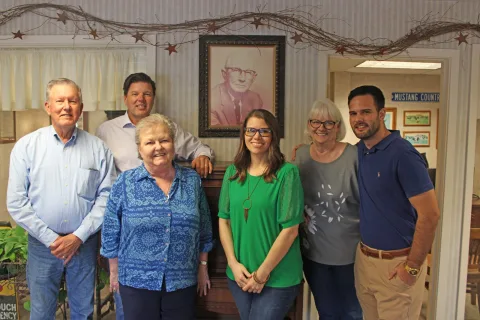
Stover & Crouch is an independent agency in Madisonville serving businesses across Texas. We help compare available options and support you with policy questions, certificates, renewals and claim reporting. Insurers decide which operations they accept. Call before changing your services, staff, equipment or locations.
Texas pest control insurance questions
Can insurance cover my termite damage agreement?
Not automatically. Share the full agreement so the insurer can evaluate its obligations, including repair and retreatment promises. Some may remain outside the policy.
Do I need to tell my agent before adding fumigation or wildlife removal?
Yes, before offering the service. New work, inspection services or application methods may need different insurance and licensing. Your existing policy may not accept them.
Can you help with proof of insurance for a customer?
Send contract requirements early. We can review them against existing coverage. Additional insured protection needs policy support; a certificate cannot add it.
Start with your license categories and service list
After you send your request, our team will review the details and contact you about anything else needed to compare available insurance options.
Prefer a shorter start? Send a short request.
A website request does not bind, change, cancel, reinstate, or confirm coverage.